

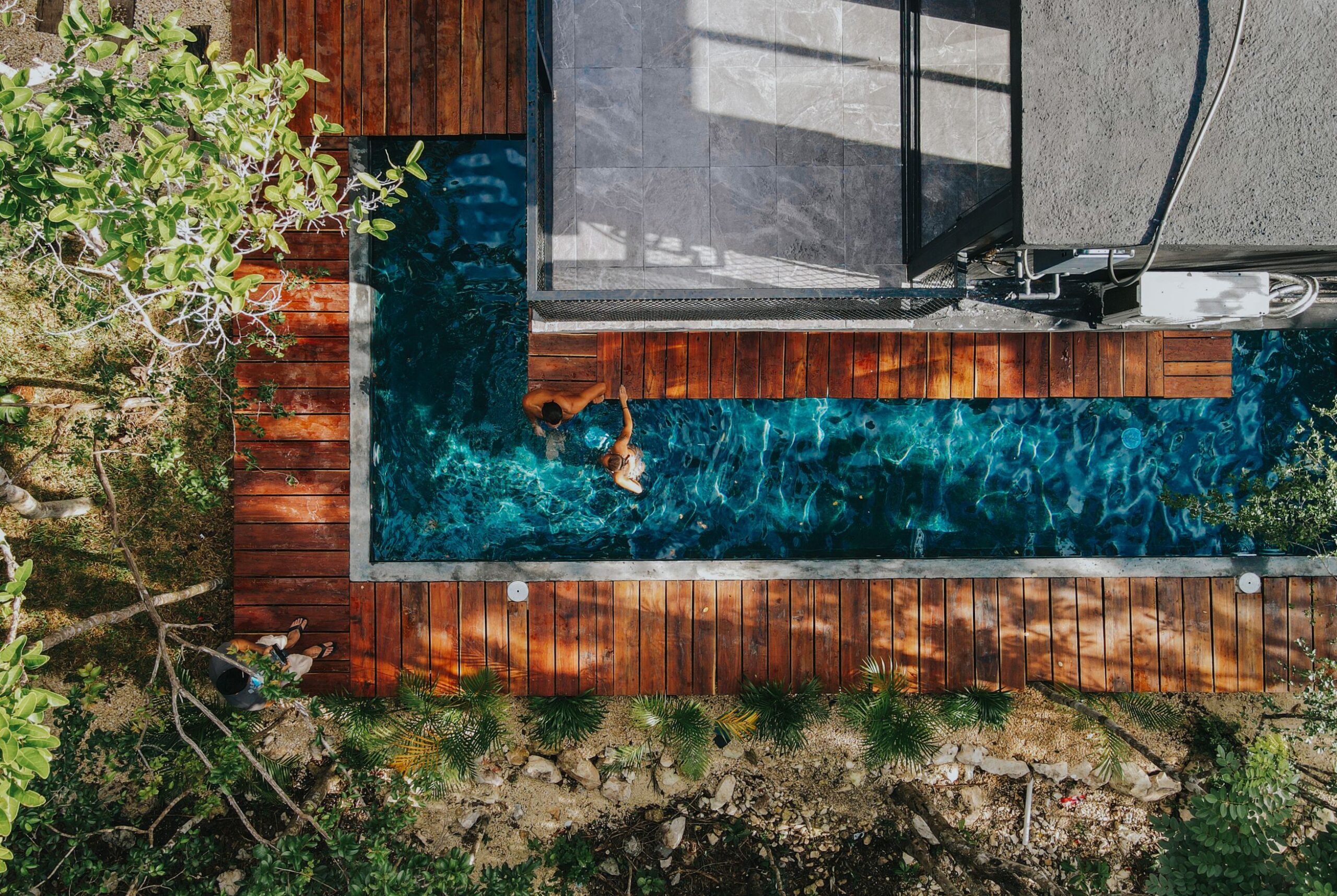
The short-term rental market has evolved dramatically over the past decade. While platforms like Airbnb created enormous opportunities for property owners, the market has also become increasingly competitive. Thousands of vacation rentals now compete for the same travelers, often forcing hosts to lower nightly rates or rely on seasonal demand.
At the same time, a powerful shift has been taking place in global travel.
More people are no longer traveling simply to relax or sightsee they are traveling to improve their health, recharge mentally, and return home feeling better than when they arrived.
This shift has given rise to one of the fastest-growing segments in global tourism: wellness travel.
For real estate investors, this trend is creating a new category of property investment wellness-focused real estate— which is increasingly outperforming traditional vacation rentals.
The Global Rise of Wellness Tourism
Wellness tourism has grown into a massive global industry.
According to the Global Wellness Institute, wellness travel spending has expanded rapidly in recent years:
- $639 billion in 2019
- $830 billion in 2023
- Projected to exceed $1.3 trillion by 2028
Even more notable is how much wellness travelers spend compared to typical tourists.
Studies show that wellness travelers spend approximately 36% more per trip than the average traveler. These visitors are not simply booking accommodation, they are seeking experiences.
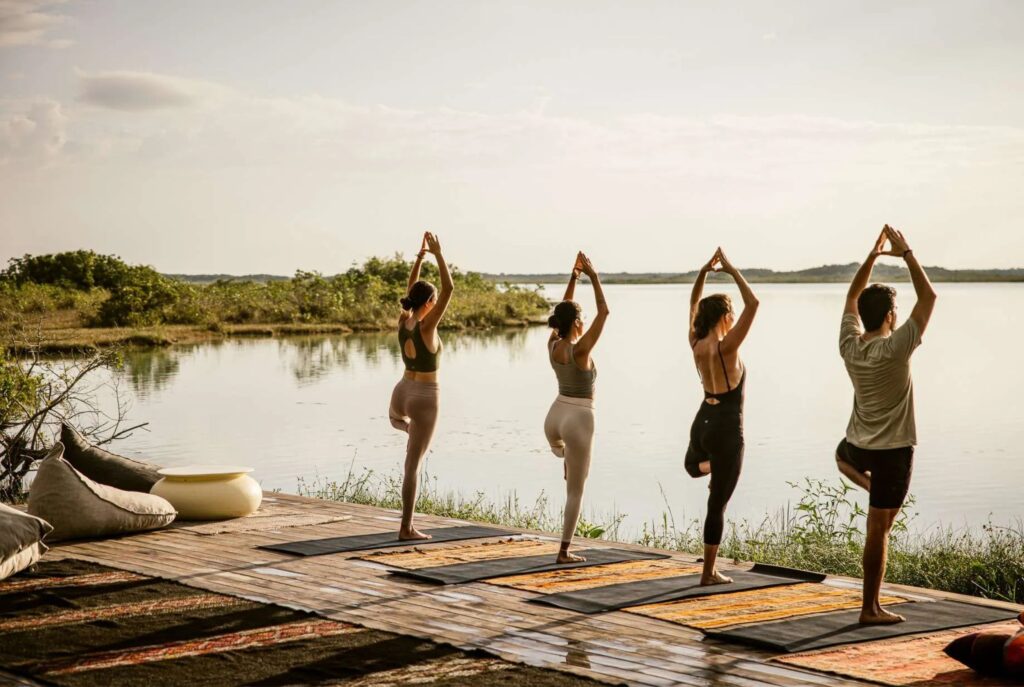
They pay for yoga classes, guided movement sessions, wellness treatments, fitness programming, meditation experiences, and curated environments that help them disconnect from stress and reconnect with their health.
This behavior has important implications for property owners.
The Limitations of Traditional Airbnb Rentals
Most vacation rental properties compete in a crowded marketplace based on three main factors:
- Location
- Design
- Price
Because many listings offer similar features, hosts often find themselves competing on nightly rates to remain attractive to travelers.
Typical short-term rental performance often looks something like this:
- Average nightly rate (ADR): $120–$180
- Occupancy: 50–65% annually
- Average stay: 2–3 nights
While these numbers can produce solid returns, they also come with challenges such as seasonal fluctuations, constant competition, and the need to continuously adjust pricing.
This is where wellness-focused real estate begins to differentiate itself.
The Wellness Hospitality Model
Wellness-oriented properties operate under a different concept.
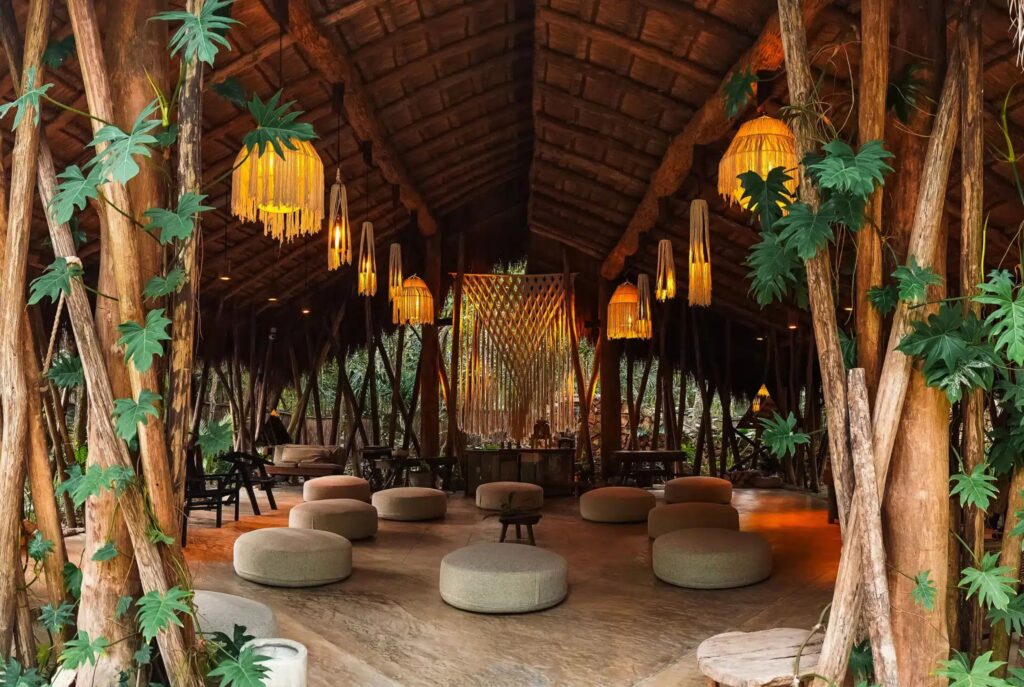
Instead of competing purely as accommodation, these properties function as lifestyle environments designed around health, movement, recovery, and personal transformation.
Rather than attracting price-sensitive travelers, wellness properties attract guests who are willing to pay more for meaningful experiences.
Typical wellness-focused rentals often see:
- Average nightly rates (ADR): $250–$450
- Occupancy rates: 60–75%
- Average stay: 5–7 nights
The longer stays are driven by wellness retreats, group experiences, and travelers who want to fully immerse themselves in a restorative environment.
This model shifts the focus away from short weekend trips and toward longer, higher-value stays.
The Power of Retreat-Based Travel
One of the most important drivers behind the wellness real estate model is the growth of retreat-based travel.
Around the world, retreat operators are hosting curated experiences such as:
- Yoga and meditation retreats
- Fitness and performance camps
- Longevity and biohacking programs
- Mindfulness and breathwork retreats
- Corporate wellness escapes
These retreats typically last 5–7 days and involve groups of 15–25 participants.
Because retreats bundle accommodation with programming, classes, and experiences, they often charge guests $2,000–$3,500 per person for a week-long stay.
For property owners, this type of travel creates several advantages:
- Longer bookings
- Higher nightly rates
- Group reservations that fill multiple units
- More consistent demand throughout the year
Retreats can also generate repeat business, with organizers returning to the same location annually if the environment and facilities support their programs.
Why Wellness Real Estate Is Gaining Investor Attention
Wellness real estate is gaining traction because it aligns perfectly with broader lifestyle and demographic trends.
People are increasingly prioritizing:
- Physical health
- Mental wellbeing
- Longevity
- Digital detox
- Nature-based travel
Properties that intentionally design their environments around these priorities are able to stand out in a crowded hospitality market.
Features commonly found in successful wellness developments include:
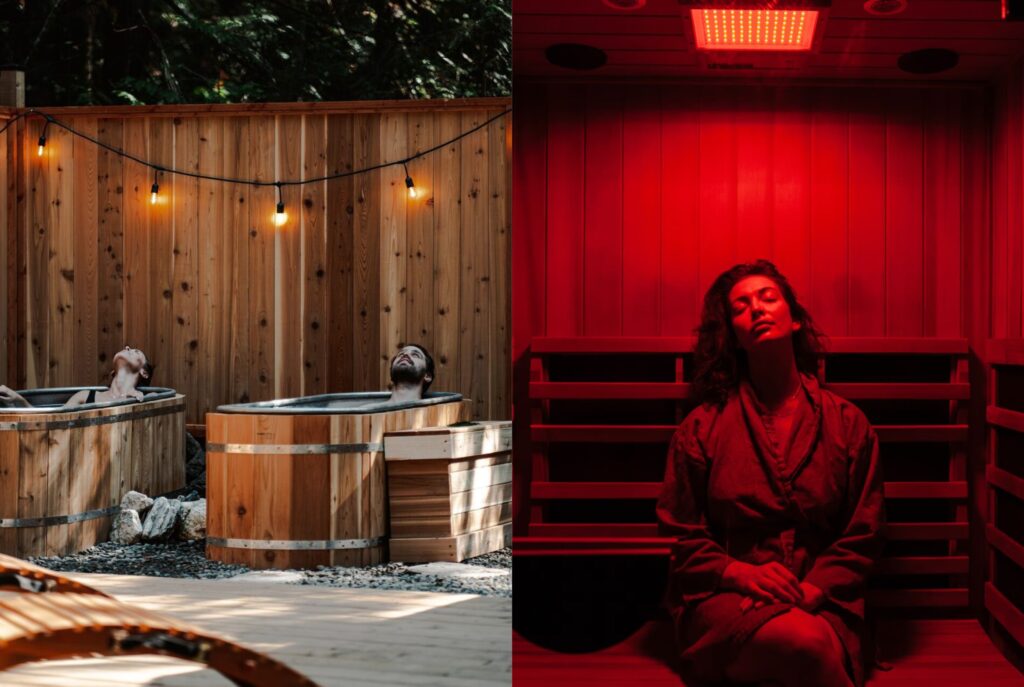
- Cold plunge and sauna circuits
- Yoga and meditation spaces
- Functional fitness or training facilities
- Recovery therapies such as red-light or infrared sauna
- Natural environments with access to water, nature, and fresh air
These amenities allow the property to serve as more than accommodation; they transform it into a wellness destination.
A New Category of Real Estate Investment
The future of hospitality is shifting toward experiences, not just places to stay.
Traditional vacation rentals will continue to play an important role in travel markets, but properties that offer immersive lifestyle experiences are increasingly commanding stronger demand.
For investors, wellness-focused real estate represents an opportunity to participate in a rapidly expanding segment of global tourism while differentiating their property from the thousands of typical listings competing for attention.
As travelers continue seeking destinations that help them feel better, move more, and reconnect with nature, the demand for wellness-oriented environments will likely continue to grow.
In this evolving landscape, the most successful real estate investments may not simply offer a beautiful place to stay — they will offer a place where guests can live well, recover, and return home transformed.